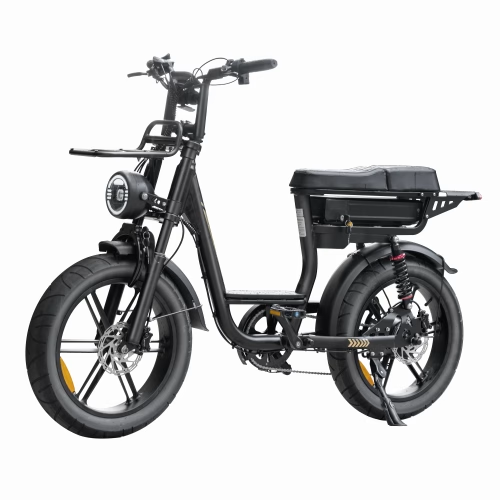
An electric bike is a bike equipped with an electric motor that provides pedal assistance. This motor helps with cycling, especially on hilly terrain or during long rides, and can increase the speed and ease of cycling.
A fat bike has wider tires (usually 4 inches or wider) that are suitable for rougher terrain such as sand, snow or mud. Fat bikes offer extra stability and traction, while regular e-bikes are often designed for use on roads and cycle paths.
A mini e-bike is a compact electric bicycle that is lighter and smaller than standard e-bikes. They are ideal for city use, commuting and shorter trips. Due to their small size, they are often easy to fold and take with you on the train or bus, for example.
Yes, electric road bikes are specifically designed for sports use. They provide pedal assistance for longer or intense rides, while still retaining the aerodynamic design and lightweight materials of a traditional road bike.
The range of an electric bike depends on the battery capacity, the level of support and the terrain. On average, most e-bikes can travel between 50 and 100 kilometers on a full charge. For heavier fat bikes, the range can be shorter, while racing bikes are often more efficient for longer distances.
In the EU, electric bikes are allowed to have a top speed of 25 km/h with pedal assistance. Speed pedelecs, another category of e-bikes, can go up to 45 km/h, but require a moped registration, insurance, and a helmet.
For regular electric bicycles (up to 25 km/h) no driving license is required. For speed pedelecs (up to 45 km/h) a moped certificate or driving license AM is required.
Yes, most electric bikes have removable batteries that you can replace when they become less efficient or if you want an extra battery for longer rides.
The average lifespan of an e-bike battery is between 3 and 5 years, depending on use and maintenance. Most batteries can last up to 1000 charge cycles.
Fatbikes can require more maintenance due to their wider tires, which can wear out faster when used on rough terrain. It is important to keep a close eye on tire pressure and to make sure the chain and gears are kept well lubricated.
Yes, most electric bikes are resistant to rain and normal weather conditions. It is important to keep the battery and electrical components dry and well maintained.
Yes, especially e-bikes with a large battery capacity are excellent for long bike rides. Fat bikes can handle different terrains well, while electric racing bikes are ideal for long, sporty rides.
Mini e-bikes often have a smaller motor and battery capacity than regular e-bikes, making them ideal for short distances and city use. They offer less power on steep terrain, but are very maneuverable and easy to transport.
Electric fat bikes offer more grip and stability on difficult terrains such as sand, mud or snow. They are ideal for adventurous cyclists who want to go off-road or cycle in extreme weather conditions.
Yes, electric road bikes combine pedal assistance with a lightweight design, allowing you to ride faster and longer than a regular road bike, especially on hilly terrain or in a headwind.
Yes, many electric bikes are compatible with accessories such as pannier racks, child seats, panniers, and even bike trailers. Make sure the accessories are suitable for your model of e-bike.
In some countries or regions, there are subsidies or tax benefits available for purchasing an electric bicycle, particularly if you use the bicycle for commuting. Check local regulations for more information.
Heb je een vraag?
Als je een probleem of vraag hebt die onmiddellijke hulp vereist, kun je op de onderstaande knop klikken om live te chatten met een medewerker van de klantenservice..